

Play is how young children explore the world, test ideas and make sense of everyday experiences. When children are deeply engaged in play, they are learning in ways that feel natural, meaningful and enjoyable.
Through play, children develop problem-solving skills and creativity. Whether they are building, pretending, experimenting or exploring outdoors, play allows children to follow their curiosity and learn through hands-on experiences.
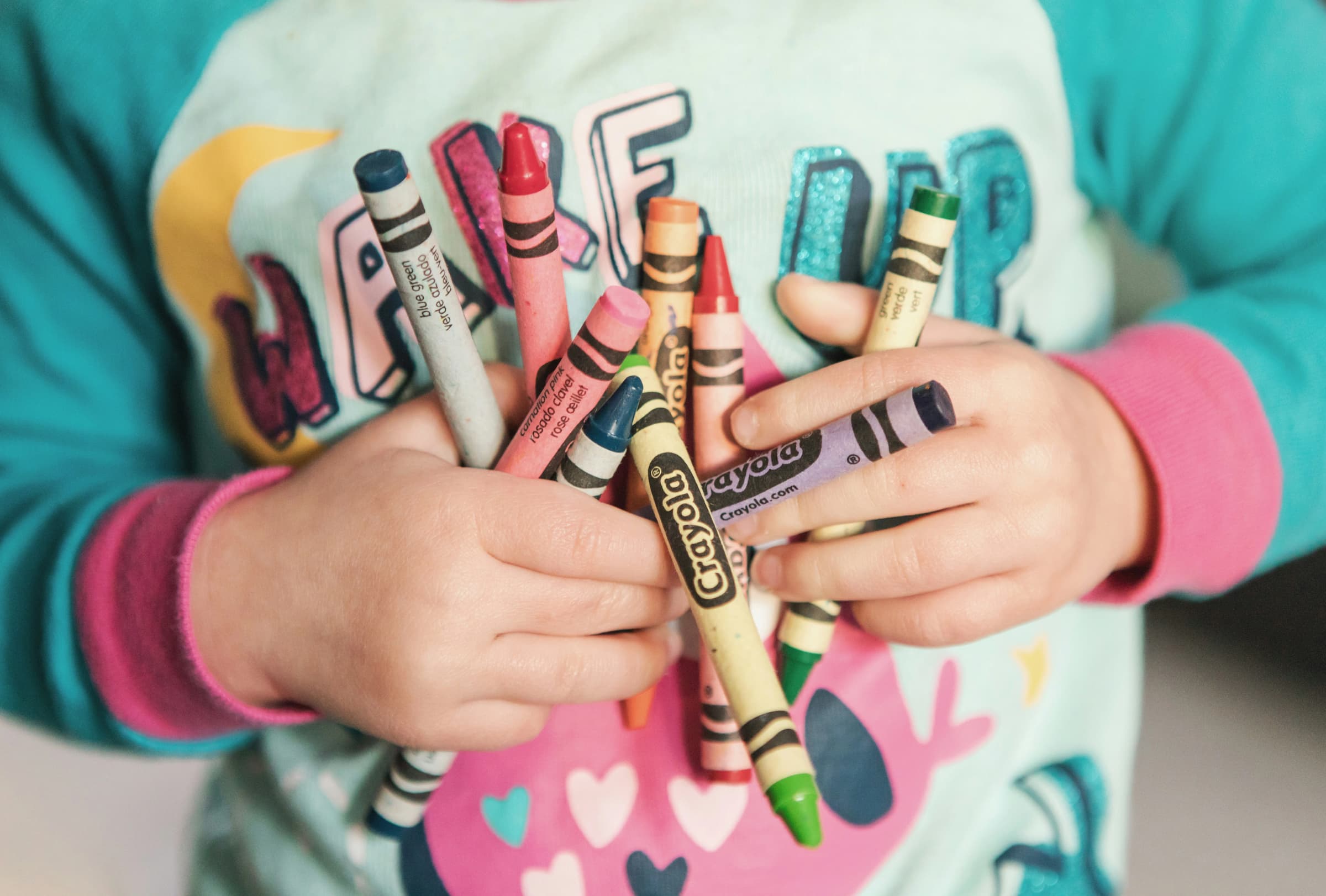 Play also supports social and emotional development. As children play together, they learn how to share, take turns, negotiate and build friendships. Imaginative play gives children a safe way to express emotions, try out different roles and understand the perspectives of others.
The way children play changes as they grow, and each stage of play is important. Babies explore through their senses and relationships, developing trust and curiosity. Toddlers learn through movement, repetition and exploration, building independence and language skills. As children grow older, play becomes more imaginative and social, supporting collaboration, problem-solving and emotional understanding.
Active play supports physical development too, helping children build strength, coordination and confidence in their bodies through movement and hands-on experiences.
At Willowgrove, educators support children’s play by creating engaging environments, listening to children’s ideas and extending learning when the moment is right. By valuing play and following children’s interests, we support skills that lay strong foundations for learning, both now and into the future.